


Dry nutrients can be clean, efficient, and easy to store, but they need the right mixing process. Dump powders into still water and you can end up with clumps, caking, sediment, and readings that do not match the full tank.
Key Takeaways
- Start with clean water and a clean tank before adding dry nutrients.
- Begin mixing first, then add powder slowly into moving water.
- Add one product at a time and follow the label’s mixing order.
- Give powders enough time to dissolve before testing pH or EC.
- Watch the bottom of the tank for clumps, caking, or unmixed material.
Powdered fertilizer can save space, reduce shipping weight, and give you a lot of control over the mix.
It can also turn into a clumpy mess if the tank routine is off.
Dry nutrients need time, movement, dilution, and the right order. If they hit still water, cold water, dirty equipment, or an overloaded tank, they can clump, sink, or cake onto the bottom before they fully dissolve.
This guide walks through how to dissolve powdered fertilizer more evenly without turning every batch into a fight. For the bigger picture on tank movement, oxygen, and feed consistency, start with the Nutrient Mixing + Aeration Guide.
Before You Mix: Get the Setup Ready
Powder mixing starts before the powder hits the water.
A dirty reservoir, weak movement, leftover sediment, or clogged intake can make a good product act like a bad one. Start with the basics so you are not mixing fresh nutrients into old residue.
Pre-Mix Checklist
- Use a clean tank or reservoir.
- Remove old sediment from the bottom.
- Flush hoses if they held nutrient solution last round.
- Check pump intakes, screens, fittings, and valves.
- Fill the tank with the right water volume before adding powders.
- Start water movement before adding the first product.
- Have your measuring tools, labels, and mixing order ready.
If the tank smells, feels slimy, or has old buildup on the walls, clean it first. The cleaning routine is covered in Cleaning 101: Keeping Tanks, Hoses, and Pumps from Getting Funky.
The Basic Order of Operations
Dry nutrients dissolve best when they enter moving water slowly and have enough time to break down before the next product is added.
Use this process as your default starting point, then follow any product-specific label directions.
- Fill the tank with the correct amount of water.
- Start mixing or circulation.
- Add the first dry product slowly.
- Let it dissolve and disperse before adding the next product.
- Repeat one product at a time.
- Mix until there are no visible clumps or powder pockets.
- Test EC or PPM after the solution is consistent.
- Test pH after EC is where it needs to be.
- Adjust slowly, then retest after the adjustment mixes through.
Better habit: water first, movement second, powder third. Still water is where clumps go to party.
Why Powder Clumps in a Reservoir
Clumping usually happens when powder hydrates on the outside before it disperses through the tank. The outer layer gets wet, sticks together, and traps dry material inside.
Once that happens, the clump can sink, cake onto the bottom, or take much longer to dissolve.
Common causes include:
- Adding powder too quickly
- Adding powder to still water
- Using too little water at the start
- Weak mixing at the bottom of the tank
- Cold water slowing the dissolving process
- Adding multiple products at once
- Mixing concentrated products together before dilution
- Old residue or sediment already in the tank
If your powder clumps in the same place every time, that part of the tank may not be moving enough.
How to Add Dry Nutrients Without Clumping
The way you add powder matters as much as the product itself.
Add slowly into moving water
Do not dump the full dose into one spot. Sprinkle or pour slowly into an area with active movement so the powder spreads before it hydrates into clumps.
Avoid the tank wall
Powder that sticks to the side of the tank can cake, dry, or dissolve unevenly. Add it into the moving water, not against the wall.
Give each product its own mixing time
Do not rush from product to product. Let the first powder dissolve and disperse before adding the next one.
Watch the bottom
Surface movement can fool you. Look for powder pockets, grains, or caked material at the bottom of the reservoir.
Do not mix concentrates together
If you are working with multi-part dry nutrients, keep parts separate until they are diluted in the tank according to the label. Combining concentrated parts can create compatibility problems.
Should You Pre-Dissolve Powder First?
Sometimes pre-dissolving helps, but it depends on the product.
Pre-dissolving means mixing the powder into a smaller amount of water before adding it to the main reservoir. This can help break up stubborn powders before they hit the tank.
Use this approach only when it fits the product instructions.
| Approach | When It Helps | What to Watch |
|---|---|---|
| Add directly to tank | Good for products that dissolve easily in moving water. | Add slowly and avoid dumping into one spot. |
| Pre-dissolve in a separate container | Useful for stubborn powders when the label allows it. | Use enough water, mix thoroughly, and add the slurry slowly. |
| Make a stock solution | Used in some dosing systems or larger operations. | Requires correct concentration, clean containers, and separate parts when needed. |
| Mix concentrates together | Usually not recommended unless the product specifically allows it. | Can cause nutrient reactions, solids, or precipitation. |
If you pre-dissolve, keep it clean. Use a clean container, clean water, and enough water volume so the powder has room to dissolve.
Water Temperature: Warm Helps, Hot Can Hurt
Temperature can affect how quickly powders dissolve.
Cold water can slow things down. Slightly warmer water may help some dry nutrients dissolve more evenly. But hot water is not automatically better, and some products may have temperature limits or biological ingredients that do not like heat.
Use the product label as the source of truth.
Practical tips:
- Avoid mixing in extremely cold water when clumping is already a problem.
- Let cold water warm closer to the normal feeding range when practical.
- Use warmer water only if the product label allows it.
- Do not use boiling water unless the product specifically tells you to.
- Give cold batches more mixing time before testing.
Mixing Order Matters
Many nutrient lines have a specific order for a reason.
Some ingredients need to be diluted before another product enters the tank. Some multi-part fertilizers are separated to prevent reactions in concentrated form. Dry nutrients are no different: follow the label first.
A safe general habit:
- Fill with water.
- Start mixing.
- Add Part A or the first listed product.
- Let it dissolve fully.
- Add Part B or the next listed product.
- Let it dissolve fully.
- Add supplements only as directed.
- Check EC or PPM.
- Adjust pH after the full mix is blended.
If two products form cloudiness, grit, or fine solids when they meet, stop treating that like ordinary clumping. That may be a compatibility or precipitation issue.
For that chemistry side, read What Is Nutrient Precipitation and How Do You Avoid It?.
How Long Should You Mix Dry Nutrients?
There is no universal timer because products, tank sizes, temperatures, and mixing setups vary.
Instead of guessing by the clock alone, use signs that the solution is ready.
Signs the powder is mixed well
- No visible clumps floating or sinking.
- No dry pockets on the tank floor.
- No powder caked to the walls.
- No gritty layer collecting after a short rest.
- EC or PPM readings stay consistent after circulation.
- pH readings are taken after the solution has mixed through.
Signs it needs more mixing
- Powder grains are still visible.
- The bottom has a dusty layer.
- Readings change depending on where you sample.
- The mix looks cloudy in a way that does not clear.
- Clumps break apart when touched.
- Hoses or pump screens catch material after feeding.
If readings vary by sample location, the tank is not mixed evenly yet.
Testing After Mixing
Dry nutrients can keep dissolving for a while after they first disappear from view. Testing too early can send you chasing numbers that were not ready yet.
Use this order:
- Mix until visible powder is gone.
- Let the tank continue moving.
- Check EC or PPM first.
- Adjust nutrient strength if needed.
- Test pH after the nutrient strength is correct.
- Adjust pH slowly.
- Let the adjustment mix through.
- Retest before feeding.
If you adjust pH before the powder is fully dissolved, you may need to adjust again once the solution settles into its real reading.
How to Reduce Powder Caking on the Bottom
Powder caking happens when dry material sinks, hydrates, and sticks before it can dissolve.
To reduce caking:
- Start the mixer before adding powder.
- Add powder slowly into active movement.
- Avoid dumping powder in one pile.
- Keep the bottom of the tank moving.
- Use enough water volume before adding dry nutrients.
- Mix longer when water is cold.
- Clean old residue before the next batch.
If powder always cakes in the same corner, that is a dead-zone problem. The tank needs better movement in that area.
What About Hard Water?
Hard water can make dry nutrient mixing more frustrating, but this article is not the place to go deep on water chemistry.
The short version: mineral-heavy water can affect pH behavior, EC readings, residue, and the way some nutrients behave. If powders dissolve poorly even when your mixing process is solid, the water source may be part of the problem.
For the deeper explanation, use the hard water guide: Hard Water and Nutrient Mixing: What Growers Should Know.
The No-Clump Dry Nutrient Checklist
Use this as your quick routine for the next batch.
Before Mixing
- Clean the reservoir.
- Remove old sediment.
- Flush hoses if needed.
- Check pump intake and fittings.
- Fill the tank with the correct water volume.
- Confirm the label’s mixing order.
During Mixing
- Start water movement first.
- Add dry nutrients slowly.
- Add one product at a time.
- Let each product dissolve before adding the next.
- Watch the bottom of the tank.
- Mix longer for cold water or stubborn powders.
After Mixing
- Check for clumps, grit, or caking.
- Test EC or PPM after the solution is consistent.
- Adjust pH after the full mix is blended.
- Retest after adjustments circulate.
- Feed before the batch sits too long.
- Flush lines after nutrient use.
Common Dry Nutrient Mixing Mistakes
Dumping powder into one spot
This can create clumps before the powder has a chance to spread. Add it slowly into moving water instead.
Adding powder before mixing starts
Still water gives powder time to sink and cake. Start movement first.
Using too little water at the start
Powders need dilution. Adding dry nutrients to a small amount of water can make clumping and compatibility problems worse.
Adding products out of order
Mixing order can affect stability. Follow the label and give each product time to dissolve.
Testing too early
If powder is still dissolving, pH and EC readings may not represent the finished tank.
Ignoring old residue
Old sediment can make fresh powder look like it failed. Clean the tank before blaming the current batch.
When Better Mixing Equipment Matters
Small batches can often be handled with simple tools. Larger reservoirs, repeated feeding routines, thick inputs, and powder-heavy recipes need more consistent movement.
Better mixing matters when:
- Powders keep clumping.
- Sediment collects after every batch.
- EC readings vary across the tank.
- The bottom of the tank stays still.
- You use larger reservoirs.
- You need a repeatable feed routine.
- You want fewer clogged screens, hoses, and fittings.
The goal is simple: keep the powder moving long enough to dissolve evenly before it becomes sediment.
Need better movement for dry nutrients?
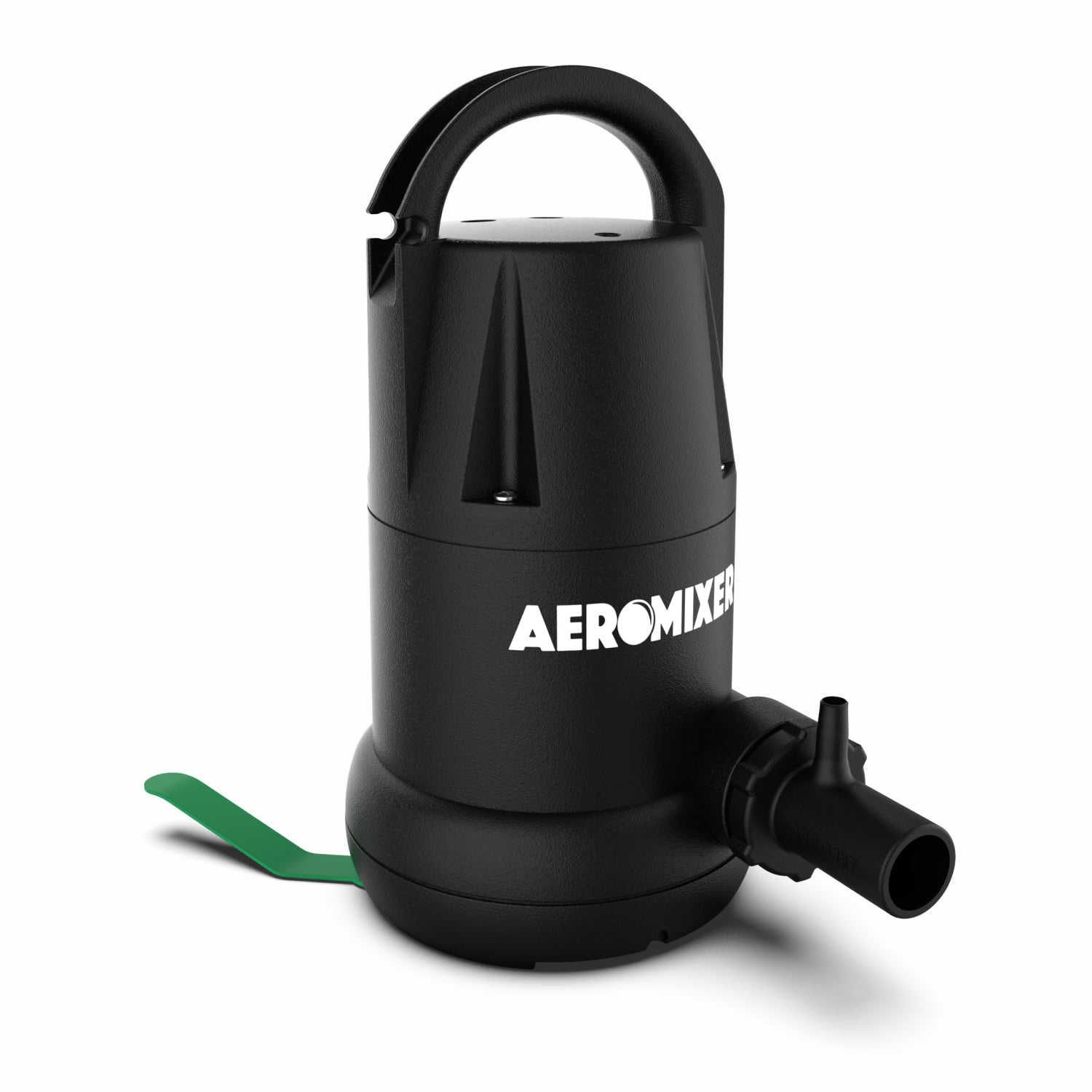
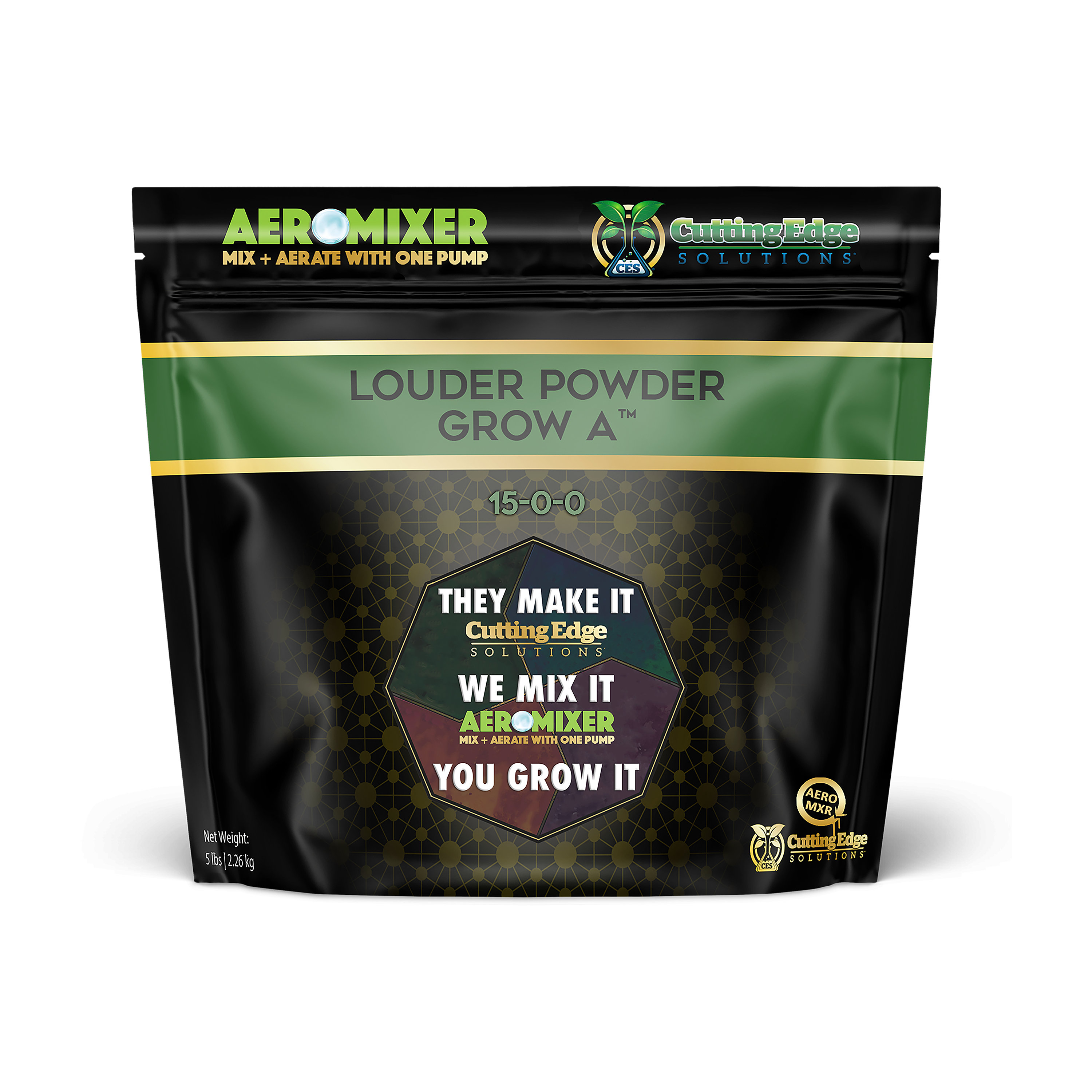
If your next step is better mixing and aeration, the most relevant product hub is the Aeromixer hub. Aeromixer is built to mix + aerate feeding solutions with one pump, helping keep nutrients moving while you build a cleaner, more consistent tank routine.
Explore the Mixers HubQuick FAQ
How do you dissolve powdered fertilizer evenly?
Start with clean water, begin mixing before adding powder, add the powder slowly into moving water, mix one product at a time, and wait until the solution is consistent before testing pH or EC.
Why does powdered fertilizer clump?
Powder can clump when it is added too quickly, dumped into still water, mixed in too little water, exposed to cold water, or added to a tank with weak movement at the bottom.
Should I pre-dissolve dry nutrients?
Pre-dissolving can help with stubborn powders if the product instructions allow it. Use clean water, a clean container, and enough water volume so the powder can dissolve before it enters the main tank.
Should I adjust pH before or after mixing dry nutrients?
In most routines, mix the nutrients first, confirm EC or PPM, then adjust pH after the solution is fully blended. Testing too early can lead to extra adjustments.
Can hard water make dry nutrients harder to mix?
Yes. Hard water or high alkalinity can affect pH, EC, residue, and nutrient behavior. If your process is solid but powders still leave residue, check your water source.
How do I stop dry nutrients from caking on the bottom?
Start water movement first, add powder slowly, use enough water volume, keep the bottom moving, mix longer in cold water, and clean old residue before the next batch.
The Takeaway
Dry nutrients are not hard to use, but they do need a better process than “dump and hope.”
Start with clean water and a clean tank. Turn on mixing before the powder goes in. Add one product at a time. Give each product time to dissolve. Watch the bottom. Test after the solution is consistent.
That routine helps prevent clumps, caking, sediment, wasted nutrients, and inconsistent feeding.
Keep learning with the full Nutrient Mixing + Aeration Guide, or build a stronger dry-nutrient mixing routine with Aeromixer.